ISO 9001 certification is one of the most powerful ways Kenyan manufacturers can boost efficiency, win customer trust, and open up new markets. Yet, many companies in Kenya struggle with the same stumbling blocks during implementation and audits. The good news? These mistakes are preventable once you know what to look out for.
1. Poor Documentation Practices
Many Kenyan manufacturers underestimate the importance of documentation. You need clear, updated, and controlled records to show how your processes run. Missing work instructions, outdated SOPs, or unapproved forms can derail your audit and also undermine the integrity of your QMS.
Tip: Treat documentation as a living guide for your people, all SOPs and work instructions should be a reflection of what actually happens.
2. Weak Internal Audits
Some organizations run internal audits only because it’s a requirement for certification. Others assign untrained staff to audit their own departments, which kills objectivity. Weak internal audits mean problems go unnoticed until certification audits expose them which pauses risk of denial or revoking of certification.
Tip: Train competent internal auditors, rotate responsibilities, and use audits as tools for improvement not punishment.
3. Forgetting the Customer Focus
ISO 9001 is built on one foundation: customer satisfaction. But many Kenyan manufacturers focus more on passing audits than on improving customer experience. Complaints may not be tracked properly, feedback may be ignored, and opportunities to delight customers get lost.
Tip: Make customer needs the heart of your QMS. Monitor satisfaction, handle complaints effectively, and celebrate improvements.
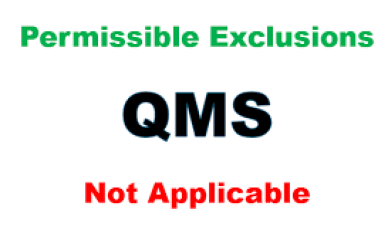
4. Misunderstanding Clause Exclusions
A very common question in our training sessions is: “Can we exclude clauses to make certification easier?” The answer: not really. For example, a food processor cannot exclude Production & Service Provision just because they “already know how to produce.” The only commonly valid exclusion is Design & Development (Clause 8.3) and even then, only if your organization doesn’t design. Read more on clause exclusion.
Tip: Always apply all applicable clauses. Get expert advice before assuming exclusions.
5. Neglecting Continual Improvement
Some Kenyan factories treat ISO 9001 like a one-off project, train, document, audit, get certified and relax. But the standard is clear: continual improvement is mandatory. Ignoring it leads to stagnation, inefficiency, and frustrated customers. More than just tackling non-conformities, improvement entails proactively enhancing opportunities and risk assessment. Read more on continual improvement.
Tip: Use tools like root cause analysis, Kaizen, or customer surveys to keep improving bit by bit.
Wrapping It Up
ISO 9001 is about building stronger systems, happier customers, and a competitive edge in Kenya’s fast-growing manufacturing sector. Avoiding these 5 mistakes can save you time, stress, and money. ISO 9001 is a strong strategic tool that when properly implemented can
📌 Whether you’re just starting or already certified, remember: ISO works best when it’s practical, people-driven, and continuously improving.
Next Step for You
Want to avoid these mistakes in your organization? Join our next ISO 9001 training designed for Kenyan manufacturers and individuals interested in manufacturing. We’ll break down each clause with real-life examples and simple tools you can apply immediately.
Register here or WhatsApp us today for group bookings.